Google’s new Decisions API points to where enterprise AI is heading: fast, cheap, confident answers instead of long generated text. In a Mindcraft project, the same approach cut API latency by 46%.
AI That Decides
On November 11, Google DeepMind released the Gemini Decisions API. It does not write text. It answers closed questions: yes/no checks, multiple choice, and rubric scores. One request can carry up to 1,000 questions over text, images, audio, video, or PDFs. Latency is 150–250 ms. Input costs $0.10 per million tokens, and output is free. Every answer comes with a confidence score from 0 to 1.
Google already runs the model inside its own products. In Gemini Notebook, it routes queries between models and cuts latency by up to 40% on everyday requests. Integrations with LangChain, Vercel AI SDK, LiteLLM, and OpenRouter are rolling out. Google Cloud support is coming soon. OpenAI made a similar Decisions API on GPT-6 Luna generally available in October. Decision models are becoming a category, not a one-off.
Why It Matters
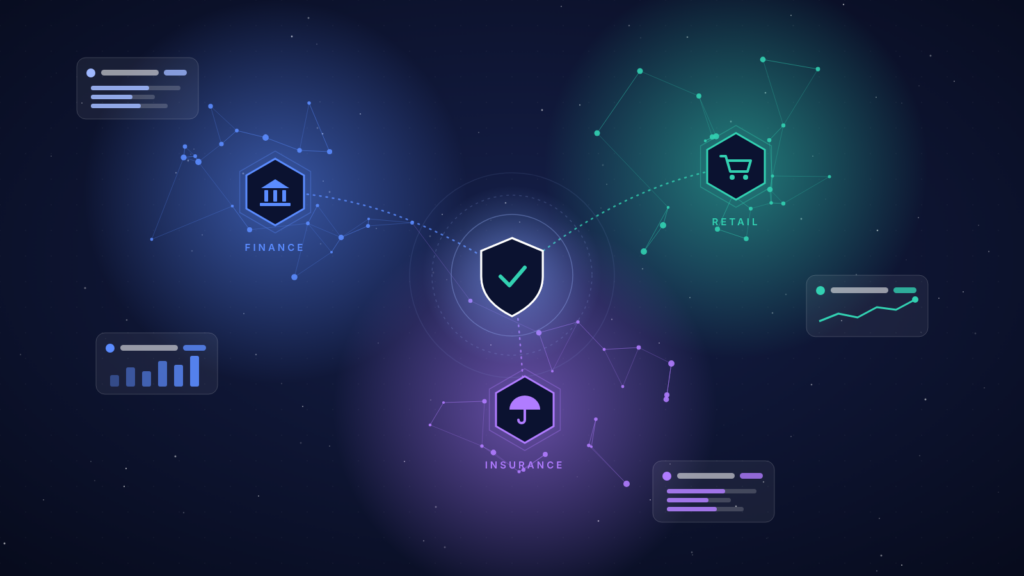
- Most enterprise AI is decisions, not prose. Routing, compliance checks, and triage can now run at a fraction of generative LLM cost.
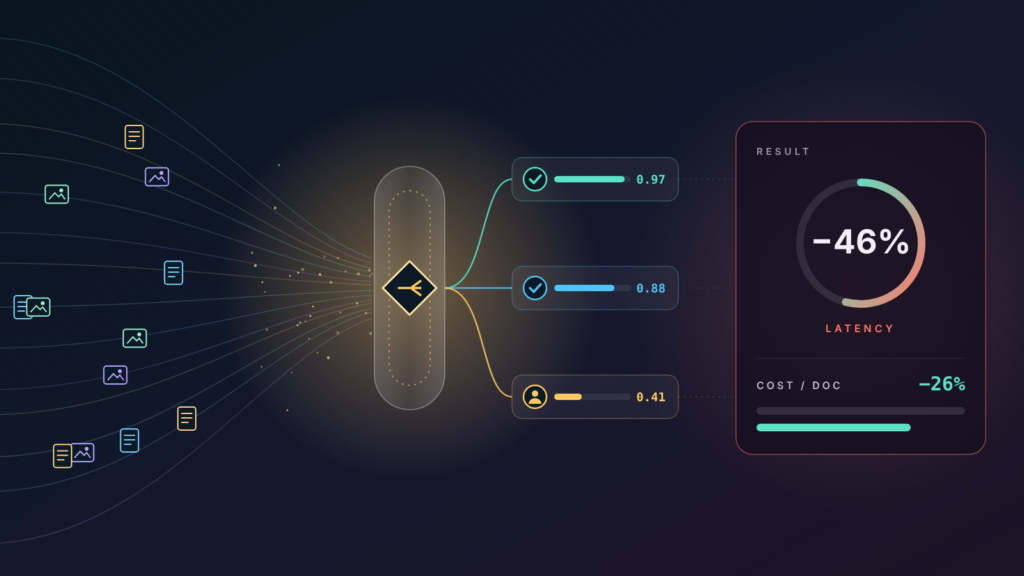
- Confidence scores make automation safer. Clear cases run automatically. Ambiguous ones go to a human.
- Your data decides the ROI. Vendor benchmarks are a start. Accuracy on your own cases is what counts.
Case Study: −46% Latency
Mindcraft applies this approach to document processing. For one of the APIs we optimize, we advised moving document-type classification (picking a type from a predefined list) from a general-purpose model (GPT-5.4 mini) to a dedicated decision model (GPT-6 Luna via OpenAI’s Decisions API). Generation stays where it adds value. The results of this partial switch:
- 46% lower latency. Each request returns faster.
- 26% lower cost per document. Each document is cheaper to process.
- Gains on both sides. Faster results for customers and better unit economics for the API.
What’s Next
At Mindcraft, our R&D team is working on confidence-based routing between fast decision models and full LLM agents, with human review for edge cases. Next, we plan to benchmark Google’s Gemini Decisions API against our OpenAI results on the same document-classification task, comparing latency, cost per document, and accuracy. This is where we are heading: AI systems that pick the cheapest reliable model for every step of a process.
Want faster, cheaper AI decisions in your workflows? Let’s talk.
Sources: Google Blog: Gemini Decisions API, Nov 11, 2026 · OpenAI: Decisions API is now generally available, Oct 22, 2026